Fleet Management

Total Motor Management

Manage your entire motor fleet with data-driven testing, lifecycle tracking, repair oversight, and predictive reliability.
Total Motor Management

The Program

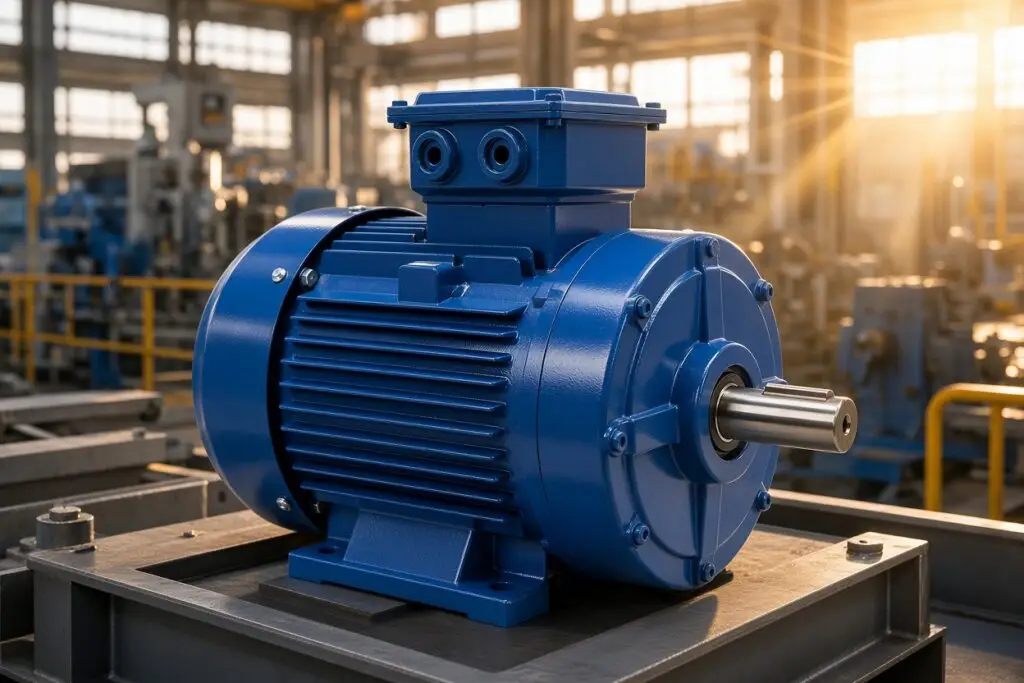
Electric motors are among the most critical, and often overlooked, assets in a manufacturing facility. Yet many organizations manage them one failure at a time, with limited visibility into asset history, repair quality, operating condition, or lifecycle cost.

T5 Group’s Total Motor Management program changes that by treating your motors as a managed fleet rather than a collection of individual assets.

Our reliability engineers combine proven maintenance strategies, predictive technologies, repair quality oversight, and comprehensive asset intelligence to maximize motor reliability while reducing unnecessary repair costs and unplanned downtime.

Every motor is documented, tracked, tested, and evaluated throughout its entire lifecycle – from installation through multiple repair cycles and eventual replacement.

We establish baseline electrical and mechanical health using advanced static and dynamic motor testing, monitor critical assets with predictive technologies, oversee repair vendors to ensure quality workmanship, and provide independent repair-versus-replace recommendations based on technical condition and financial impact – not assumptions.

The result is a complete motor reliability program that improves asset performance, extends equipment life, optimizes spare inventory, reduces lifecycle costs, and provides the operational visibility needed to make confident maintenance decisions before failures occur.

Total Motor Management

Features & BenefitS

Fleet Lifecycle Management

Manage every motor from installation through retirement with complete lifecycle history, performance, and maintenance records.

Static & Dynamic Testing

Establish electrical and mechanical health baselines while identifying developing failures before production is affected.

Predictive Condition Monitoring

Leverage advanced motor diagnostics and remote monitoring technologies to continuously assess equipment health.

Repair Quality Oversight

Independently oversee repair vendors, verify workmanship, review testing results, and ensure every repair meets reliability expectations.

Repair vs. Replace Analysis

Make objective repair decisions using asset condition, lifecycle history, operating criticality, and financial impact.

Criticality-Based Strategy

Prioritize maintenance resources by identifying the motors that create the greatest operational and financial risk.

Motor Protection Management

Maintain protection settings, trip parameters, and coordination data that safeguard motors from electrical damage.

Spare Motor Optimization

Improve inventory planning by tracking readiness, condition, storage requirements, and replacement strategies.

Reliability Analytics

Monitor fleet performance through KPIs, failure trends, repair history, energy impacts, and asset health reporting.

Continuous Reliability Support

Receive ongoing engineering guidance, quarterly program reviews, and continuous improvement recommendations.
Total Motor Management

What's Included

Asset Inventory

Comprehensive documentation of in-service and spare motors, including specifications, locations, and operating history.

Baseline Testing

Static and dynamic motor testing establishes health benchmarks for future condition comparisons.

Criticality Assessment

Evaluate operational impact, production risk, safety considerations, and business priorities for every motor.

Equipment Care Plans

Develop maintenance strategies tailored to operating conditions, reliability objectives, and manufacturer recommendations.

Repair Management

Independent oversight of repair vendors, quality verification, repair documentation, and acceptance testing.

Spare Strategy

Optimize spare inventory levels, storage practices, interchangeability, and replacement readiness.

Protection Coordination

Document and maintain motor protection settings, alarms, trip values, and coordination information.

Performance Reporting

Executive dashboards, fleet KPIs, lifecycle reporting, cost analysis, and long-term reliability metrics.

Financial Assessment

Analyze repair costs, replacement planning, lifecycle spending, and opportunities to reduce total ownership costs.

Ongoing Program Support

Quarterly engineering reviews, continuous monitoring, data analysis, and program optimization.
Total Motor Management

How Engagement Works

01

Asses

We inventory your motor fleet, evaluate criticality, and review operating history, failures, and maintenance practices.
02

Baseline

Critical motors undergo testing to establish electrical and mechanical health for long-term condition monitoring.
03

Build

We develop databases, maintenance strategies, spare planning, protection management, and reporting frameworks.
04

Monitor

Motor health is continuously evaluated using predictive technologies, engineering analysis, and repair oversight.
05

Improve

Regular program reviews identify reliability improvements, optimize lifecycle costs, and strengthen fleet performance.

Reduce Failures. Increase Confidence.

Talk to a T5 Reliability Expert about extending the life of your motor fleet.